



- Home/
- Buy Prednisolone in Online Pharmacy in the United Kingdom
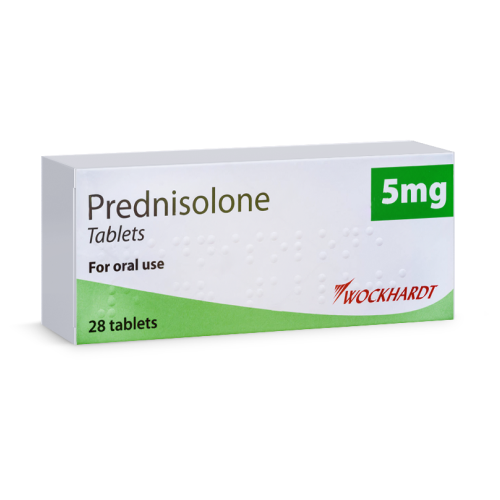
Is Prednisolone available without prescription in United Kingdom?
No, Prednisolone cannot be obtained without a prescription in United Kingdom. It is a prescription-only medicine (POM) regulated by the Medicines and Healthcare products Regulatory Agency (MHRA). Purchasing it without a valid prescription is illegal and potentially dangerous.
Prednisolone: Key Information at a Glance
| Parameter | Details |
|---|---|
| Active Ingredient | Prednisolone |
| Main Uses | Inflammatory and autoimmune conditions (e.g., arthritis, asthma, skin diseases, allergies) |
| Prescription Status | Prescription only (United Kingdom) |
| Onset of Action | Within 1-2 hours (oral) |
| Maximum Daily Dose | Typically 60 mg (varies by condition – do not exceed without specialist advice) |
| Price Range (UK) | £1–£3 per pack (NHS prescription charges may apply) |
| Main Contraindication | Untreated systemic infections, known hypersensitivity |
| Common Side Effects | Weight gain, mood changes, increased infection risk |
Bottom line: Prednisolone is a powerful anti-inflammatory medicine but requires careful medical supervision. Never use it without a prescription.
How does Prednisolone work in the body?
Prednisolone is a synthetic glucocorticoid—essentially, a man-made version of a hormone your body produces in the adrenal glands. When you take Prednisolone, it enters your bloodstream and binds to intracellular glucocorticoid receptors. These receptors are present in nearly every cell in the body.
Once bound, the drug-receptor complex travels into the cell nucleus and influences gene expression. What does that mean in real terms? Prednisolone ramps up the production of proteins that reduce inflammation and suppresses those that trigger the immune response. By doing this, it helps to:
- Reduce swelling, redness, and heat (classic inflammation symptoms)
- Suppress overactive immune reactions (as seen in allergic or autoimmune conditions)
- Alleviate symptoms of many chronic inflammatory diseases
Analogy: Imagine your immune system as a fire alarm system. In some conditions, this alarm goes off too easily or stays on too long, causing damage. Prednisolone acts like a technician, turning down the sensitivity of the system and silencing unnecessary alarms.
Unlike non-steroidal anti-inflammatory drugs (NSAIDs), Prednisolone affects the inflammation process at the genetic level, making its action broader and often more potent—but also more prone to systemic side effects.
Note: Prednisolone does not cure the underlying cause. It mainly controls symptoms and prevents complications due to inflammation.
Expert Commentary from doctor
In my clinical practice, the most common misunderstanding I see is patients assuming Prednisolone is a quick fix for any inflammation. They often overlook the fact that it’s a potent immunosuppressant, not a painkiller. Many patients inadvertently stop their medication abruptly, leading to withdrawal symptoms or adrenal crisis, because they don’t realise their body becomes reliant on the drug even after short courses. I always stress the importance of gradual tapering, and I advise patients to alert their GP or pharmacist if they feel unwell while stopping. Another issue is the belief that dietary supplements or herbal remedies can be taken without caution—some interact with Prednisolone or mask its side effects. Open communication with your healthcare provider is critical to avoid complications.
How should Prednisolone be taken? Dosage, timing, and administration
Standard dosing varies based on indication and patient factors. Always follow your prescriber’s instructions. The following is general guidance based on UK clinical practice (NHS):
- Adults: Starting doses usually range from 5 mg to 60 mg once daily, depending on condition severity. For acute asthma, for example, 40 mg–50 mg daily for 5–14 days is common.
- Children: Dosing is weight-based; specialist advice is essential.
- Elderly: Lower starting doses and closer monitoring are preferred due to increased side effect risk.
- Renal or hepatic impairment: Dose adjustment may be needed—consultation with a specialist is crucial.
- Administration: Tablets should be taken in the morning after food to reduce gastrointestinal upset and mimic the body’s natural steroid rhythm.
- Splitting tablets: Some forms are scored and can be split, but always check with your pharmacist, as not all brands are designed for splitting.
- Tapering: Do not suddenly stop taking Prednisolone after more than 1–2 weeks of use; reduction must be gradual to avoid adrenal insufficiency.
Peak effect: Oral Prednisolone reaches maximum serum levels within 1–2 hours, but anti-inflammatory effects may take several days for full benefit in chronic conditions.
Never exceed the prescribed daily dose. High doses can cause life-threatening complications.
Prednisolone: Food, drink, and lifestyle compatibility
Grapefruit juice: Does not have clinically significant interactions with Prednisolone (unlike some other steroids), but check for other concurrent medicines.
Alcohol: Moderate consumption is not strictly prohibited but is discouraged, especially if you have a history of gastrointestinal issues or liver disease. Combining with alcohol increases the risk of gastric ulcers and impaired immune function.
Supplements & Herbal Products: Some (like St John’s Wort) can reduce the effectiveness of Prednisolone. Always tell your doctor about any supplements or herbal medicines.
Vaccines: Live vaccines should generally be avoided during Prednisolone therapy due to immune suppression.
Who should NOT take Prednisolone? Contraindications explained
| Type | Condition / Trigger | Explanation |
|---|---|---|
| Absolute | Active untreated systemic infection | Suppresses immune response, worsens infection outcome |
| Absolute | Known hypersensitivity to Prednisolone or excipients | Risk of severe allergic reaction |
| Relative | Uncontrolled diabetes mellitus | May worsen glucose control |
| Relative | Hypertension | Can cause fluid retention and raise blood pressure |
| Relative | History of peptic ulcer | Increases risk of gastrointestinal bleeding |
| Relative | Recent heart attack (myocardial infarction) | May delay healing, increase arrhythmia risk |
| Relative | Glaucoma or cataracts | May worsen intraocular pressure/cause vision changes |
| Relative | Severe liver/renal impairment | Impaired metabolism and excretion, toxic build-up possible |
| Special caution | Pregnancy and breastfeeding | Use only if benefits outweigh risks; specialist supervision required |
| Special caution | Children | Risk of growth suppression; specialist advice essential |
What side effects are most common with Prednisolone?
Prednisolone can cause a range of side effects. Their frequency and severity depend on dose, duration, and individual susceptibility.
| Frequency | Adverse Effect | Explanation / Action |
|---|---|---|
| Very common (>1 in 10) | Weight gain, increased appetite | Calorie control, monitor diet |
| Very common | Fluid retention, swelling | Report persistent swelling to doctor |
| Common (1 in 10–1 in 100) | Mood changes, insomnia | Report severe symptoms; may require dose adjustment |
| Common | Increased infection risk | Seek medical attention for fever or unexplained illness |
| Common | High blood sugar | Monitor in diabetics; medication adjustment may be needed |
| Rare (1 in 1,000–1 in 10,000) | Peptic ulcers, gastrointestinal bleeding | Seek urgent help for severe stomach pain or blood in stool |
| Rare | Psychosis or severe depression | Immediate medical attention required |
| Very rare | Adrenal suppression/adrenal crisis | Medical emergency—do not stop abruptly |
| Very rare | Sudden loss of vision (ocular complications) | Discontinue and consult ophthalmologist urgently |
What to do if side effects occur: Mild effects like temporary insomnia or increased appetite may settle with dose adjustment. Severe effects (e.g., persistent fever, severe mood changes, signs of infection, vision changes, unexplained bruising) require immediate medical review.
Common Patient Mistakes Observed by doctor
- Stopping Prednisolone suddenly after several weeks’ use: This can cause adrenal insufficiency, with weakness, nausea, and even collapse. Avoid by tapering as instructed by your doctor.
- Taking Prednisolone without food: Increases risk of stomach irritation or ulcers. Always take with a meal or snack.
- Using leftover tablets for a new illness: The underlying cause may differ, and unsupervised use can mask serious infections. Only take as directed for your current condition.
- Not informing healthcare providers about Prednisolone use: Especially before surgery, dental work, or vaccinations. Always disclose current medicines.
- Ignoring early signs of infection: Prednisolone suppresses the immune response, so symptoms may be subtle. Report any new or worsening illness promptly.
- Self-adjusting the dose to manage side effects: Can result in loss of disease control or increased risk. Discuss concerns with your prescribing doctor.
Prednisolone vs Alternatives: Comparison Table
| Medicine | Onset (oral) | Duration | Common Side Effects | Price Range (UK, per pack) | Prescription Needed |
|---|---|---|---|---|---|
| Prednisolone | 1–2 hours | 12–36 hours | Weight gain, infection risk, mood changes | £1–£3 | Yes |
| Dexamethasone | 1–2 hours | 36–72 hours | Similar to Prednisolone, often more potent | £2–£4 | Yes |
| Hydrocortisone | 1 hour | 8–12 hours | Fluid retention, hypertension, GI upset | £1–£2.50 | Yes |
| NSAIDs (e.g., Ibuprofen) | 30–60 mins | 4–8 hours | Stomach ulcers, bleeding risk | £0.50–£1 | Some over-the-counter |
Bottom line: Prednisolone is usually reserved for severe or systemic inflammation after milder treatments fail or are unsuitable. It is more potent but carries a higher risk of side effects.
Questions Frequently Asked to doctor
- Can I take Prednisolone and paracetamol together?
- Yes, in most cases this is safe as there is no direct interaction. However, always tell your doctor all medicines you take, as some conditions may require extra caution.
- What happens if I miss a dose?
- Take the missed dose as soon as you remember, unless it’s almost time for your next dose. Never double up. If in doubt, consult your pharmacist.
- Is it safe to use Prednisolone long-term?
- Long-term use increases the risk of serious side effects like osteoporosis, diabetes, and infections. If prolonged therapy is needed, your doctor will monitor you closely and try to use the lowest possible dose.
- Can I drink alcohol while on Prednisolone?
- Small amounts may be acceptable, but regular or heavy drinking increases risk of ulcers and impaired immune response. Discuss your alcohol intake with your GP.
- Does Prednisolone affect fertility or pregnancy?
- It can be used during pregnancy if essential, but only under specialist supervision. It may affect fertility and should be discussed with your healthcare provider if planning a family.
- Are there any special considerations for the elderly?
- Yes, older patients are at higher risk of side effects, particularly osteoporosis and confusion. Lower starting doses and regular monitoring are advisable.
- What should I do if I feel worse after starting Prednisolone?
- Contact your doctor immediately. Some side effects or complications can be serious but are treatable if caught early.
Key Characteristics of Prednisolone: Quick Table
| Parameter | Value |
|---|---|
| Formulations available | Tablets, oral solution, eye drops, injections |
| Standard adult dose (oral) | 5–60 mg once daily |
| Onset (oral) | 1–2 hours |
| Plasma half-life | 2–4 hours |
| Duration of action | 12–36 hours |
| Metabolism | Liver (CYP3A4) |
| Elimination | Mainly via urine |
| Driving/machinery | Generally safe, but caution if experiencing mood changes or vision problems |
How to obtain Prednisolone legally in United Kingdom: Step by step
- Consult your GP or specialist (in person or via NHS digital/telemedicine services). Only a registered practitioner can prescribe Prednisolone.
- Undergo clinical assessment – your doctor will determine if Prednisolone is appropriate, considering your medical history and current medications.
- Receive a prescription – this can be an NHS or private prescription. For most, NHS prescriptions apply (current charge: £9.65 per item as of 2026, unless exempt).
- Obtain the medicine from a regulated pharmacy – either in person or through a licensed online pharmacy displaying a green cross and MHRA registration. Delivery is available from some services (e.g., Pharmacy2U, LloydsDirect).
- Follow dosage and tapering instructions exactly as prescribed. Never share or re-use medicines.
Be wary of any website offering Prednisolone without a prescription or at “bargain” prices. These are not legal in the UK and pose significant safety risks.
Is it legal to purchase Prednisolone online in United Kingdom?
Yes, but only via MHRA-registered online pharmacies requiring a valid prescription. The MHRA maintains a public register of legal internet pharmacies (MHRA). Look for the EU common logo (green cross).
Purchasing from unlicensed sources is illegal and risks prosecution, customs seizure, and health dangers due to counterfeit products.
Prescription requirements protect your safety, ensuring a doctor has assessed the risks and benefits for your situation.
How to recognise genuine Prednisolone and avoid counterfeits
- Original packaging: UK packs have clear branding, batch numbers, MHRA approval, and expiry date.
- Blister strips: Tablets are usually in foil blisters with manufacturer details. Poor print quality or odd fonts are warning signs.
- Price: If the price is suspiciously low, it’s often a fake or unlicensed import.
- Verification elements: Some packs have QR codes or holograms—check these via the manufacturer’s or pharmacy’s verification portal.
- Generics: In the UK, generics must meet the same quality standards as branded products. They may look different (shape or colour) but are equally effective and often less expensive.
- Pharmacy status: Only obtain medication from a pharmacy with a visible MHRA green cross and registration number.
If in doubt, ask your pharmacist to check the pack or contact the manufacturer directly through their official website.
Living with inflammation: Psychological support and advice
Dealing with inflammatory conditions can be stressful, and the need for medications like Prednisolone is not a personal failing. Many people in Manchester, Birmingham, Edinburgh, and across the UK require steroid treatment at some point. Open conversations with your GP, pharmacist, or a psychological therapist can help you manage both the physical and emotional sides of your condition.
If you find yourself struggling, consider seeking support from patient groups or mental health professionals. You are not alone, and your well-being matters.
Prednisolone Compatibility: Medication and product checklist
| Product/Medicine | Compatible? | Potential Consequence |
|---|---|---|
| Paracetamol | Yes | No significant interaction |
| Ibuprofen (NSAID) | Caution | Increases risk of stomach ulcers |
| Warfarin | Caution | May alter blood clotting; monitor INR closely |
| Live vaccines (e.g., MMR) | STRICTLY NO | Risk of severe infection |
| Alcohol | Limit | Increased stomach/immune risks |
| St John’s Wort | NO | Reduces Prednisolone effectiveness |
| Grapefruit juice | Yes | No significant interaction |
| Oral contraceptives | Caution | May alter steroid levels; discuss with GP |
How is Prednisolone processed in the body? (Pharmacokinetics)
After oral administration, Prednisolone is rapidly absorbed in the small intestine and distributed into most body tissues. It is metabolised in the liver by CYP3A4 enzymes. The average plasma half-life (the time for half the drug to be eliminated from the bloodstream) is 2–4 hours, but its biological effects last much longer (up to 36 hours).
- Excretion: Mainly via the kidneys (in urine), so dose adjustments may be needed in severe renal impairment.
- Liver disease: May slow breakdown, increasing risk of side effects.
Key point: Any impairment in liver or kidney function can alter Prednisolone’s effect, so disclose any chronic illness to your doctor before starting.
Special considerations: Elderly, pregnancy, driving, and more
- Elderly: More susceptible to side effects (e.g., osteoporosis, confusion, diabetes). Regular monitoring and dose minimisation are essential.
- Children: Risk of growth suppression. Only specialists should prescribe, and monitoring is required.
- Pregnancy: May be used if benefits outweigh risks, especially in serious conditions. Possible risk of low birth weight or adrenal suppression in newborns—consult an obstetrician.
- Breastfeeding: Small amounts pass into milk; usually considered safe for short-term use but only under medical advice.
- Driving/machinery: Most people can drive, but if you experience significant mood changes, confusion, or vision problems, you must not drive until resolved.
- Fertility: No significant effect in most, but high doses may affect menstrual cycles or sperm production.
Original vs Generic Prednisolone: What patients should know
Generic Prednisolone contains the same active ingredient and is equally effective as the original branded version. In the UK, all generics must meet MHRA quality standards. Differences may exist in:
- Tablet shape, colour, or taste
- Inactive ingredients (excipients)—rarely, these can cause allergic reactions
- Packaging appearance
Advantages of generics: Lower cost, wider availability, and same therapeutic effect. If you have allergies or intolerances, check with your pharmacist about excipient content.
How to check the quality of your Prednisolone
- Tablets: Usually white or pale yellow, round or oval, with clear engraving showing the strength.
- Blister packs: Should be undamaged, with batch number and expiry date printed clearly.
- External box: Should include brand name, MHRA approval, and possibly QR code or hologram.
- If supplied in a bottle: Childproof cap, tamper-evident seal intact.
- If in doubt: Ask your pharmacist or scan the QR code (if provided) with a smartphone to verify authenticity via the manufacturer’s website.
What to do in case of Prednisolone overdose: Immediate steps
- Stop taking Prednisolone immediately.
- Contact NHS 111 or emergency services (999) for advice and urgent assessment.
- Tell the medical team exactly how much was taken, when, and bring the medicine packaging.
- Do not attempt to vomit or self-treat at home.
- Seek immediate help if you experience confusion, severe weakness, vomiting, seizures, or collapse.
Prompt action can be life-saving.
What should I do if Prednisolone does not work?
If your symptoms have not improved after several days of prescribed Prednisolone therapy, or if they are getting worse, contact your doctor as soon as possible. Do not increase your dose independently. Your condition may require a different treatment or additional investigations to find the cause of treatment resistance.
Inflammatory diseases are complex; sometimes, additional medicines or non-drug interventions (e.g., physiotherapy, dietary adjustments) are necessary for full control.
Professional Opinion of doctor
In my view, Prednisolone remains a cornerstone in the management of moderate to severe inflammatory and autoimmune conditions in the United Kingdom. Its benefits are particularly clear in acute flare-ups—such as asthma attacks, severe allergic reactions, and active rheumatoid arthritis—where rapid immune suppression can be life-saving. However, it’s not a medicine to be taken lightly. For chronic conditions, I advise careful risk–benefit evaluation, as long-term side effects can outweigh benefits if not managed vigilantly. I often recommend alternative therapies—such as DMARDs or biologics—as steroid-sparing options when possible. Patient education around tapering, infection risks, and monitoring is crucial. If you have concerns about Prednisolone therapy, always discuss them with a qualified NHS specialist or pharmacist before making changes.
FAQ: People Also Ask
- Can Prednisolone be used daily?
- It may be prescribed daily for chronic conditions, but always at the lowest effective dose and under close supervision to minimise side effects.
- Is Prednisolone safe in pregnancy?
- It can be used if absolutely necessary, but only on specialist advice. Risks and benefits are carefully balanced in pregnancy.
- How quickly does Prednisolone work?
- Most people feel some benefit within hours to days, but full effect may take longer in chronic conditions.
- Can I stop Prednisolone suddenly?
- No, stopping abruptly can cause serious withdrawal symptoms. Always follow your doctor’s tapering plan.
- Is it safe to buy Prednisolone from online shops without prescription?
- No, this is illegal in the United Kingdom and puts you at risk of counterfeit medicines and legal penalties.
- What foods should I avoid while taking Prednisolone?
- There are no absolute prohibitions, but a healthy, low-salt, and low-sugar diet helps reduce side effects.
- Are there alternatives to Prednisolone for inflammation?
- Yes, alternatives include NSAIDs, DMARDs, or biologic agents. Your doctor can advise which is most appropriate for your condition.
- Does Prednisolone increase infection risk?
- Yes, it suppresses the immune system, so even minor infections should be reported to your doctor promptly.
- Is Prednisolone available over-the-counter in United Kingdom?
- No, it is only available with a prescription from a licensed UK doctor.
- How much does Prednisolone cost in the UK?
- On the NHS, it is usually subject to the standard prescription charge (£9.65 as of 2026), unless you are exempt. Private prices vary but are typically low compared to many other medicines.
Sources / References
- NHS. Medicines A–Z: Prednisolone. Accessed 2026. https://www.nhs.uk/medicines/prednisolone/
- Medicines and Healthcare products Regulatory Agency (MHRA). Accessed 2026. https://www.gov.uk/government/organisations/medicines-and-healthcare-products-regulatory-agency
- British National Formulary (BNF): Prednisolone. Accessed 2026. https://bnf.nice.org.uk/drug/prednisolone.html
- EMA. European Medicines Agency: Prednisolone. Accessed 2026. https://www.ema.europa.eu/en/medicines/human/EPAR/prednisolone
- Mayo Clinic. Prednisolone (Oral Route). Accessed 2026. https://www.mayoclinic.org/drugs-supplements/prednisolone-oral-route/description/drg-20075256
- PubMed. Recent studies on Prednisolone and inflammation, accessed 2026. https://pubmed.ncbi.nlm.nih.gov/
- WHO. Model List of Essential Medicines: Prednisolone. Accessed 2026. https://www.who.int/medicines/publications/essentialmedicines/en/
Looking for a qualified inflammation specialist in United Kingdom?
If you require specialised care for chronic or complex inflammatory conditions, request a referral to a consultant rheumatologist, immunologist, or dermatologist via your NHS GP. In larger cities such as London, Manchester, Birmingham, and Edinburgh, academic medical centres (e.g., Guy’s and St Thomas’ NHS Foundation Trust, Manchester University NHS Foundation Trust) have leading experts in inflammation management. Alternatively, search the General Medical Council (GMC) specialist register for consultants in your region.