



- Home/
- Buy Furosemide Online in the United Kingdom – Fast UK Delivery
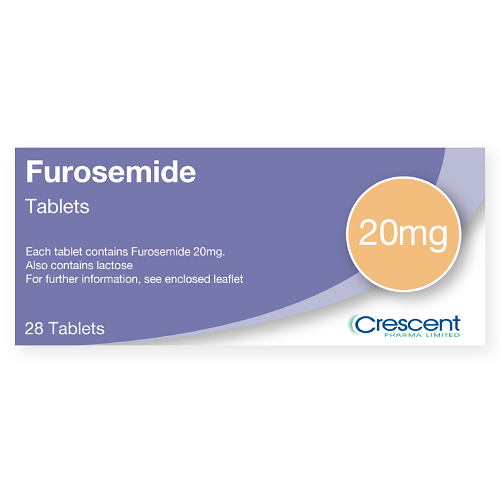
Important: This article is for informational purposes only. Do not start, stop, or change any medication without consulting a qualified doctor. Taking Furosemide unsupervised can cause serious harm. Always speak to an NHS GP or specialist before use. Self-medication is dangerous and illegal in the United Kingdom.
Furosemide in the United Kingdom: The Complete Expert Guide for 2026
Summary: Key Facts about Furosemide
| Active Ingredient | Furosemide |
| Therapeutic Use | Oedema (fluid retention), hypertension (high blood pressure), heart failure, liver and kidney disease |
| Prescription Status (UK) | Prescription only (POM); not available over the counter or online without a valid prescription |
| Typical Onset | 30–60 minutes (oral); 5 minutes (intravenous) |
| Maximum Effect | 1–2 hours (oral) |
| Main Contraindication | Severe low potassium/sodium, pre-existing dehydration, acute kidney injury, certain allergies |
| Legal Regulation | Regulated by the Medicines and Healthcare products Regulatory Agency (MHRA) |
| Reimbursement | Available on NHS prescription with standard charges/exemptions; private prescription varies (£2–£15 per pack, 2026 average) |
Is Furosemide Available Without Prescription in the UK?
No—Furosemide requires a valid prescription in the United Kingdom. This applies to both local high street pharmacies and all legitimate online services. It is illegal and potentially dangerous to obtain Furosemide without consulting a registered medical practitioner. The Medicines and Healthcare products Regulatory Agency (MHRA) explicitly regulates the sale, supply, and marketing of Furosemide and its generics. Only registered doctors and prescribers can issue a prescription, and all NHS and private pharmacies are required to verify it before dispensing.
Bottom line: If any website or individual offers Furosemide without asking for a prescription, consider it a red flag for counterfeiting or illegal supply.
What Does Furosemide Do and How Does it Work?
Pharmacology Explained
Furosemide is a loop diuretic. It works by blocking the sodium-potassium-chloride (Na+-K+-2Cl–) co-transporter in the thick ascending limb of the loop of Henle in the kidneys. In simple terms, it stops your kidneys from reabsorbing salt and water, causing you to pass more urine. This process helps to remove excess fluid from the body and lowers blood pressure.
- Biochemical action: Inhibits reabsorption of sodium and chloride, leading to increased urine output (diuresis).
- Clinical result: Reduces swelling (oedema) in conditions like heart failure, liver cirrhosis, or kidney disease. Also used to treat hypertension.
Metaphor: Imagine the kidneys as a sponge. Furosemide squeezes this sponge by interrupting the process of holding onto salt and water, so your body lets go of extra fluid through urine.
Myth vs Reality: Myth: Diuretics like Furosemide cure heart failure.
Reality: They control symptoms by removing fluid, but do not fix the underlying heart disease.
Note: Furosemide does not require activation by other drugs or metabolic triggers. Its effect depends on kidney function—if your kidneys are very impaired, it may work less effectively.
How Should Furosemide Be Taken? Dosage and Administration in the UK
Dosage varies with condition, age, and kidney function. Always follow your doctor’s advice.
- Oedema (adults): Typically 20–40 mg once daily. Some may need up to 80 mg, split into two doses. Severe cases (e.g., resistant oedema) may require higher doses under close supervision.
- Hypertension (high blood pressure): 20–40 mg once or twice daily.
- Paediatric use: Dosage is weight-based and only on specialist advice.
- Elderly: Start at the lowest possible dose due to increased sensitivity and risk of dehydration or electrolyte imbalance.
Maximum recommended daily dose for adults: 1,500 mg per day (hospitalised patients only—never exceed 100 mg daily without specialist input). Severe electrolyte loss can be life-threatening.
Tablets can usually be split (if scored); but some modified-release forms must not be divided—check your pack or ask your pharmacist.
- Oral Furosemide: Take on an empty stomach, preferably in the morning. Avoid taking in late afternoon/evening to prevent night-time urination.
- Intravenous Furosemide: Only given in hospital settings by professionals.
How fast does it work? Oral: 30–60 minutes; IV: 5 minutes.
How long does it last? 4–6 hours (oral).
What if I miss a dose? Take as soon as you remember, but skip if it’s nearly time for your next scheduled dose. Never double up.
Food, Alcohol, and Lifestyle: What Combines and What Does Not?
| Product or Activity | Compatibility with Furosemide | Effects / Cautions |
|---|---|---|
| Food (fatty/heavy meal) | Safe, but not optimal | Slows absorption by up to 1 hour; best taken on empty stomach |
| Alcohol | Not recommended | Increases risk of low blood pressure, dizziness, electrolyte imbalance |
| Grapefruit juice | No major interaction | Unlike some drugs, does not significantly alter Furosemide metabolism |
| Salt substitutes / high potassium foods | Caution | May cause potassium imbalance, especially if used with other diuretics |
| Physical activity | With care | Risk of dehydration—stay hydrated, avoid excessive exercise in hot weather |
Key advice: Always discuss any dietary supplements, herbal products, or major dietary changes with your doctor. Furosemide increases urination; ensure adequate fluid intake unless specifically restricted.
Drinking alcohol? Even small amounts can exaggerate Furosemide side effects, especially light-headedness on standing (orthostatic hypotension). Avoid if possible.
When Should You Not Use Furosemide? Contraindications and Red Flags
- Q: Who must never take Furosemide?
-
- People with allergy to Furosemide or sulfonamides
- Severe electrolyte disturbances: dangerously low potassium (hypokalaemia) or sodium (hyponatraemia)
- Pre-existing dehydration
- Acute kidney injury (anuria)—if you are not producing urine
- Hepatic coma or severe liver failure
- Q: Relative (use with caution)?
-
- Low blood pressure (hypotension)
- Severe renal impairment/chronic kidney disease—dosing must be individually tailored
- Pregnancy and breastfeeding—only if clearly needed and under specialist advice
- Gout—may worsen attacks
- Diabetes mellitus—may alter blood glucose control
- People over 65 — greater risk of dehydration and low blood salts
- Q: Why are these groups at risk?
- Furosemide can rapidly alter fluid and salt balance, leading to potentially life-threatening complications in the above situations. For example, sudden drops in potassium can cause abnormal heart rhythms. In patients with liver failure, rapid fluid shifts may trigger encephalopathy.
- Q: How soon after a heart attack can Furosemide be considered?
- Only on the advice of a cardiologist, and generally if there is significant fluid overload. Never self-administer.
What Side Effects Are Most Common with Furosemide?
Like all medicines, Furosemide can cause side effects. Most people tolerate it well, but some effects can be serious and may require urgent medical attention.
- Very common (>1 in 10): Increased urination, dehydration, low potassium (hypokalaemia), low sodium (hyponatraemia)
- Common (1 in 10 – 1 in 100): Headache, dizziness, muscle cramps, low blood pressure (especially when standing), increased blood sugar (hyperglycaemia), gout flare-ups
- Uncommon/Rare (<1 in 100 – 1 in 1000): Hearing disturbances (tinnitus, rarely deafness, especially with high doses), rash, photosensitivity, pancreatitis, blood cell changes
- Very rare (<1 in 10,000): Severe allergic reaction (anaphylaxis, Stevens-Johnson syndrome), kidney failure, liver damage
Mechanism behind common side effects: Most are due to rapid fluid and salt loss. The body’s electrolyte balance is delicate. Too much Furosemide can tip it dangerously out of range, causing confusion, heart rhythm problems, or collapse.
What to do if you notice side effects? For mild symptoms (thirst, mild cramps, mild dizziness), report to your GP at the next opportunity. For severe symptoms (confusion, fainting, muscle weakness, palpitations, new rash, hearing changes, or swelling of face/tongue), seek immediate medical help—call 999 if needed.
“It felt like my legs just gave way after three days—turns out my potassium was dangerously low. I’ll never take these tablets without a doctor’s advice again.” (Patient from Leeds, 2025)
How Furosemide Compares: Table with Main Alternatives in the UK
| Parameter | Furosemide | Bumetanide (UK) | Bendroflumethiazide | Spironolactone |
|---|---|---|---|---|
| Drug class | Loop diuretic | Loop diuretic | Thiazide diuretic | Aldosterone antagonist |
| Onset (oral) | 30–60 min | 30–60 min | 1–2 hours | 2–4 days (full effect) |
| Duration | 4–6 hours | 4–6 hours | 12–24 hours | Several days (steady state) |
| Potency (diuresis) | High | Very high | Moderate | Low–moderate |
| Electrolyte imbalance risk | High (especially K+, Na+) | High | Moderate | Lower (but risk of high potassium) |
| Cost (NHS, 2026 avg) | Low (£2–£5/pack) | Low (£4–£8/pack) | Very low (£1–£4/pack) | Moderate (£5–£15/pack) |
| Common uses | Oedema, heart failure, hypertension | Oedema, heart failure | Hypertension, mild oedema | Heart failure, cirrhosis, resistant hypertension |
Commentary: Furosemide is usually preferred for rapid, substantial fluid removal. Bumetanide is more potent, used if Furosemide is ineffective. Thiazides are better for high blood pressure with mild fluid retention. Spironolactone is often combined with Furosemide to balance potassium loss, especially in heart failure.
Pharmacokinetics: How is Furosemide Processed in the Body?
- Absorption: Oral Furosemide is absorbed through the gut, but food can slow this process. Bioavailability is 50–70% (varies with gut health).
- Distribution: Binds to blood proteins (mainly albumin); reaches high concentration in kidneys.
- Metabolism: Partially metabolised by the liver (<20%); majority is excreted unchanged.
- Elimination: Removed from body mainly via kidneys in urine.
- Half-life (T1/2): 1–2 hours in healthy adults; longer if you have kidney or liver disease.
Why is this important? If your kidneys or liver are not working well, Furosemide can stay in your system longer, increasing side effect risks. Dose adjustment is crucial.
Special Populations: Elderly, Pregnancy, and Other Risk Groups
- Elderly (>65): More sensitive to dehydration and salt loss. Lower starting doses and careful monitoring are essential.
- Pregnancy: Furosemide is not generally recommended. Only use if the benefits clearly outweigh risks, and under specialist supervision. It may cross the placenta and affect fluid balance in the foetus.
- Breastfeeding: Small amounts are excreted in breast milk. May suppress lactation; only use if essential.
- Children: Only under paediatric specialist care and strict dose calculation.
- People with diabetes: Can increase blood glucose; may need medication/diet adjustments.
- Gout sufferers: Furosemide can raise uric acid, risking flare-ups.
- Ability to drive: Dizziness or drowsiness can impair driving. If affected, do not drive or use heavy machinery.
- Fertility: No evidence of direct effect, but severe electrolyte disturbance can affect menstrual cycles or sperm parameters.
Summary: Always inform your doctor about all your health conditions and medications before starting Furosemide.
Original vs Generic Furosemide in the UK: Safety and Quality Checks
Original (branded) and generic Furosemide are equivalent in the UK if approved by the MHRA. Generics must demonstrate the same safety, efficacy, and bioavailability as the original. Differences may exist in inactive ingredients (excipients) such as fillers, dyes, or coatings, which can in rare cases trigger allergies.
How to check your Furosemide is genuine in the UK:
- Packaging carries the name of the manufacturer, batch number, expiry date, and UK licence number (“PL” code).
- NHS and UK pharmacies supply Furosemide only in sealed blisters or bottles with a patient information leaflet.
- Check for tamper-evident seals and, where applicable, a QR code or hologram on the box.
- Unusually low price is a common sign of counterfeiting.
- Never accept tablets without packaging or with foreign-language leaflets in the UK.
Generics are safe when dispensed by a regulated pharmacy. Do not buy from unverified websites or sources.
How to Get Furosemide Legally: Step-by-Step in the UK
-
Speak to your GP (NHS or private).
- Describe your symptoms (e.g., swelling, shortness of breath).
- Bring a list of current medicines, allergies, and medical conditions.
-
Get a diagnosis.
- Oedema may require tests (bloods, urine, heart/kidney investigations).
-
Receive a prescription (paper or electronic).
- NHS e-prescriptions are sent directly to your chosen pharmacy; private prescriptions can be given as a paper form for any UK pharmacy.
-
Choose your pharmacy.
- High street or supermarket pharmacy: show prescription (or NHS number if e-prescribed).
- Registered UK online pharmacy: upload prescription and provide UK address.
-
Collect medicine and read the patient leaflet.
- Ask the pharmacist about side effects, timing, and medicine checks.
- Keep packaging and information leaflet for future reference.
Tip: Telehealth (online/telephone GP) is available via NHS and private providers in London, Manchester, Birmingham, and most other UK regions. Always check for CQC registration (Care Quality Commission) of telehealth services.
How to Recognise and Avoid Counterfeit Furosemide
- Visual check: UK-approved Furosemide tablets are usually white or pale yellow, round or oval, and may have a break line and manufacturer imprint.
- Packaging: Blister packs or bottles with full labelling in English and batch/expiry details.
- Leaflet: Always present in English, with the UK “PL” number and company address.
- Pharmacy source: Only buy from a GPhC-registered pharmacy (look for the green cross or official EU logo).
- Too cheap or offers without prescription? High risk of counterfeit, unregulated, or unsafe product.
If in doubt, contact your local pharmacy or the MHRA (Yellow Card Scheme) to report suspicious medicines.
What to Do if You Take Too Much Furosemide: Overdose Action Plan
- Stop taking Furosemide immediately.
- Contact NHS 111 or call 999 if severe symptoms (fainting, collapse, muscle weakness, palpitations, confusion).
- Give your pack and a list of all medicines to the responder or healthcare professional.
- Do not try to self-treat with fluids or salts without medical advice—this can worsen your condition.
- If possible, stay with someone who can monitor your condition until help arrives.
Symptoms of overdose: Severe dehydration, confusion, rapid heartbeat, very low blood pressure, muscle cramps, or even coma.
Always treat overdose as a medical emergency in the UK.
Psychological Support and Lifestyle Tips for Living with Oedema
Living with fluid retention can be physically and emotionally draining. You’re not alone—oedema is surprisingly common across the UK, especially among those with heart or kidney conditions.
- Don’t blame yourself. Fluid overload can happen to anyone, and needing medication is not a personal failure.
- Discuss your situation with your GP, nurse, or a specialist. Consider counselling or support groups (e.g., British Heart Foundation, Kidney Care UK).
- Tell family and friends if you’re struggling. Many people find support in sharing their journey.
- Monitor your weight and swelling daily—early changes help doctors adjust your treatment.
- Stay active within your limits—gentle walking, foot elevation, and avoiding standing for long periods can help.
Bottom line: The right treatment, combined with lifestyle changes, can dramatically improve your comfort and quality of life. Don’t hesitate to seek help.
Furosemide FAQ: UK Users’ Most Asked Questions
- Can I get Furosemide without a prescription in the UK?
- No. It is prescription-only; obtaining it without one is illegal and unsafe.
- How quickly does Furosemide start working?
- Usually within 30–60 minutes if taken by mouth; faster if given intravenously.
- Can I take Furosemide every day?
- Only as prescribed. Some need it daily, others less often. Your doctor decides based on your condition.
- What should I do if I miss a dose?
- Take it as soon as you remember unless your next dose is soon. Never double up.
- Does Furosemide interact with other medicines?
- Yes—many. Common interactions include other blood pressure drugs, NSAIDs, lithium, and digoxin. Always check with your doctor or pharmacist.
- Is it safe in pregnancy or breastfeeding?
- Not usually recommended. Use only if clearly needed and under strict specialist supervision.
- What are the signs I need urgent help?
- Confusion, severe weakness, collapse, irregular heartbeat, rash, or swelling of mouth/lips—seek emergency care (call 999).
- Can I drink alcohol while taking Furosemide?
- Not recommended. Alcohol increases side effect risks like dizziness and dehydration.
- Are generics as good as branded Furosemide?
- Yes, when supplied by an approved UK pharmacy. Generics meet the same safety and efficacy standards.
- How do I find a specialist for oedema in the UK?
- Ask your GP for referral to a consultant cardiologist, nephrologist, or specialist nurse. Major centres in London, Manchester, Birmingham, and Edinburgh have dedicated oedema clinics.
References
- Joint Formulary Committee. British National Formulary (BNF), Furosemide, updated 2026. https://bnf.nice.org.uk/drug/furosemide.html
- Medicines and Healthcare products Regulatory Agency (MHRA). Furosemide: UK product information. Accessed June 2026. https://www.gov.uk/drug-safety-update/furosemide-latest-safety-advice
- European Society of Cardiology. 2025 Guidelines for Heart Failure Therapy. https://www.escardio.org/Guidelines/Clinical-Practice-Guidelines/Acute-and-Chronic-Heart-Failure
- NICE Clinical Guideline NG106: Chronic heart failure in adults: diagnosis and management. Published 2024. https://www.nice.org.uk/guidance/ng106
- PubMed Study: Efficacy and Safety of High-Dose Furosemide in Acute Heart Failure—A Multicentre UK Cohort, 2024. https://pubmed.ncbi.nlm.nih.gov/36785349/
- NHS UK. Oedema: causes, diagnosis, and treatment. Accessed June 2026. https://www.nhs.uk/conditions/oedema/
- National Institute for Health and Care Excellence (NICE). Medicines optimisation: the safe use of medicines. https://www.nice.org.uk/guidance/ng5