



- Home/
- Buy Neurontin at Low Price in the United Kingdom Online
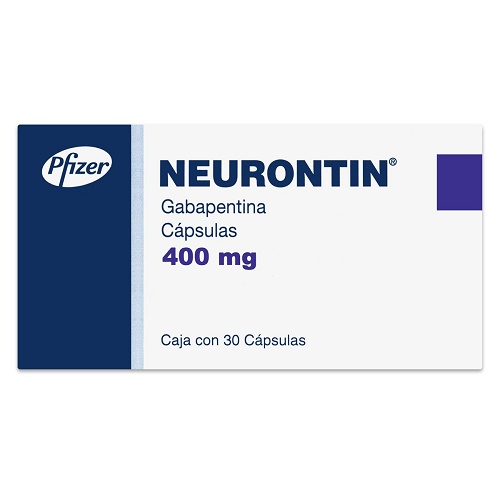
| Medication name | Neurontin |
|---|---|
| Main substance | Gabapentin |
| Indication | Treatment of Neuropathic Pain |
| Strength options | 100 mg, 300 mg, 400 mg, 600 mg, 800 mg |
| How soon it takes effect | Within 1 to 2 weeks of regular use |
| Length of relief | Usually lasts 8–12 hours per dose |
| Regularity of intake | Typically taken two to three times daily |
| Prescription status in UK | Prescription-only medicine |
| Estimated price range (UK) | £12–£25 per 84-tablet pack (generic), varies by strength |
Neurontin for Neuropathic Pain: Availability and Use in the United Kingdom
Neurontin, containing the active ingredient Gabapentin, is a medicine prescribed to help manage neuropathic pain—pain caused by nerve damage. In the United Kingdom, it is a legally regulated prescription medication, which means it can only be supplied with a valid prescription from a healthcare professional.
Neuropathic Pain: You Are Not Alone, and It Can Be Managed
Neuropathic pain is often persistent and can disrupt daily life—but it is not rare, nor is it untreatable. According to the National Institute for Health and Care Excellence (NICE), approximately 7–8% of the UK adult population experiences neuropathic pain at any given time (NICE, 2020). The most common causes include diabetes, shingles, nerve injuries, and certain chronic conditions. The NHS recognises neuropathic pain as a significant medical issue and supports several treatment options, including medications like Neurontin, to help patients regain quality of life. It’s important to remember: effective therapies exist and many people in the UK are successfully managing their symptoms.
How Neurontin Works: Mechanism and What It Means for You
- Physiological action: Gabapentin, the key ingredient in Neurontin, is structurally similar to a neurotransmitter found in the nervous system. It binds to specific calcium channels on nerve cells, which play a role in sending pain signals from damaged nerves.
- Practical effect: By modulating these channels, Neurontin dampens abnormal nerve activity, reducing the intensity and frequency of pain signals that reach the brain. This leads to a gradual lessening of burning, shooting, or tingling pain sensations typical of nerve-related pain.
- Timeline: Most people begin to notice some improvement within one to two weeks of regular use, but optimal relief may require several weeks of dose adjustment under supervision.
To put it simply: Neurontin does not block pain instantly, but it decreases the overactivity of damaged nerves, so pain becomes less intrusive and more manageable over time. This helps not only with comfort but also with sleep and daily activities often disrupted by neuropathic pain.
Is Neurontin Right for You? Real-Life Scenarios
| Situation | Recommendation | Reasoning |
|---|---|---|
| You have persistent nerve pain after shingles (postherpetic neuralgia) | Consider Neurontin as a first-line option | Extensive evidence supports its use for this type of nerve pain and NICE guidelines recommend it |
| You have diabetic neuropathy and standard painkillers (paracetamol, ibuprofen) haven’t helped | Neurontin may benefit you | When over-the-counter analgesics are ineffective, gabapentin is recommended as a targeted therapy for nerve pain |
| You have chronic pain without clear nerve involvement (e.g., osteoarthritis, muscle pain) | Neurontin is not typically suitable | This medicine is not effective for pain not caused by nerve damage; alternative treatments should be considered |
| You are pregnant, breastfeeding, or have severe kidney disease | Use only if prescribed after careful risk assessment | Potential risks mean the benefits and safety must be individually evaluated by a healthcare provider |
| You are already taking strong opioid painkillers or have a history of substance misuse | Caution required | There is a higher risk of side effects or dependence when combined with certain medications |
This table should help you recognise your own situation. If in doubt, a doctor or pain specialist can help you decide if Neurontin aligns with your needs and health profile.
Everyday Use: What to Expect and How to Manage Neurontin Therapy
- Starting dose: Most people begin with a low dose (e.g., 300 mg at night), increasing gradually over days to several weeks as advised.
- How to take: Gabapentin is best taken at the same times each day, with or without food. Consistency helps maintain steady levels in your body and maximises benefit.
- If you miss a dose: Take it as soon as you remember unless your next dose is nearly due. In that case, skip the missed one—do not double up.
- If it doesn’t help after several weeks: Dosage adjustment or a different approach may be needed. Speak to your doctor before making changes yourself.
- If you stop suddenly: Stopping abruptly can cause withdrawal symptoms such as anxiety, nausea, or sweating. Always taper off under medical supervision unless told otherwise for urgent reasons.
- What’s normal: Mild drowsiness, dizziness, or feeling tired are common at first. These often lessen as your body adapts to the medication.
- When to seek advice: If you experience confusion, severe dizziness, or swelling, contact your healthcare provider.
Gabapentin’s effects are not immediate, so patience as your dose is adjusted is important. If you are ever unsure, pharmacists in the UK are also qualified to advise on missed doses or mild side effects.
Who Should Avoid Neurontin? Understanding Contraindications
- Severe kidney impairment: Gabapentin is eliminated via the kidneys; severe kidney dysfunction can lead to dangerous accumulation.
- Known allergy to gabapentin: Any prior allergic reaction (rash, swelling, breathing problems) is a clear reason to avoid.
- Children for neuropathic pain: Neurontin is not approved for neuropathic pain in those under 18 in the UK due to lack of sufficient safety data.
- Pregnancy and breastfeeding: Use only if the benefits clearly outweigh the risks, as safety data in these groups is limited.
Alternative therapies may be more appropriate for individuals in these groups. Always inform your prescriber of your full medical history before starting Neurontin.
Possible Side Effects: Frequency, Context, and When to Act
- Common and usually mild: Drowsiness, dizziness, fatigue, and mild swelling in the hands or feet. These often improve as your body adjusts.
- Uncommon but need attention: Mood changes (such as anxiety, depression, or irritability), confusion, blurred vision, or difficulty coordinating movements. If these persist or worsen, consult your doctor promptly.
- Rare but serious: Signs of severe allergic reaction (difficulty breathing, facial swelling, rash), severe confusion, or sudden muscle weakness. These require immediate medical attention.
If you suspect a severe reaction such as difficulty breathing or swelling of the face or throat, seek emergency help by calling NHS 999 in the United Kingdom. For persistent side effects, your doctor can adjust the dose or suggest alternatives.
Can Neurontin Be Taken with Other Medicines? Interactions to Consider
Gabapentin is generally well-tolerated with many common medicines, but some interactions require care:
- Opioid painkillers (e.g., morphine, codeine): May increase drowsiness, dizziness, and risk of breathing problems. Dosing adjustments or closer monitoring may be needed.
- Antacids containing aluminium/magnesium: Can reduce the absorption of gabapentin; separate doses by at least two hours.
- Alcohol: Increases the sedative effect, raising the risk of falls or accidents.
- Other sedating medicines: Combining with sleeping pills, some antihistamines, or anti-anxiety drugs can enhance side effects.
Always give your healthcare provider a full list of your medications—including over-the-counter products and supplements—before starting Neurontin. If you experience new or unexplained symptoms after starting, review your medication list with your prescriber or pharmacist.
How Does Neurontin Compare? Alternatives and Their Place
| Medication | Best suited for | Advantages | Limitations |
|---|---|---|---|
| Neurontin (Gabapentin) | Persistent neuropathic pain not controlled by paracetamol/NSAIDs | Good tolerability, wide UK experience, flexible dosing, available generic | May cause drowsiness, dose titration required, not suitable for all pain types |
| Pregabalin (Lyrica) | Similar neuropathic pain conditions, generalised anxiety | Often works faster, sometimes preferred if gabapentin not tolerated | Typically more expensive, similar side-effect profile |
| Amitriptyline | Neuropathic pain, especially with sleep or mood disturbance | Can help both pain and sleep, low starting cost | More likely to cause dry mouth, constipation, not suitable for some heart conditions |
| Duloxetine | Diabetic nerve pain, fibromyalgia, depression co-existing | Treats both pain and mood disorders, once-daily dosing | May cause nausea, not first-line for all nerve pain types |
No single medication is best for everyone. Neurontin is preferred when a gentle approach with gradual dose adjustment is needed, especially if you have tried standard painkillers without relief. Other options may be better if mood or sleep issues are prominent, or if you don’t tolerate one medicine’s side effects. Your healthcare provider may switch between these options to find the most effective and tolerable treatment for you.
What You’ll Actually Pay: Neurontin in the UK
| Cost item | Amount | Notes |
|---|---|---|
| GP consultation (NHS) | Free | For UK residents registered with a GP |
| Private doctor/online consultation | £30–£60 | Varies by provider; required for private prescription |
| Prescription charge (NHS England) | £9.65 per item | Standard NHS prescription fee |
| Neurontin (Gabapentin) tablets (generic) | £12–£25 per 84-tablet pack | Depends on strength and pharmacy |
| Delivery (online pharmacy) | £4–£8 | Varies; some offer free delivery over certain amounts |
| Total | £22–£102 | Low end: NHS; high end: private/online with delivery |
You can obtain Neurontin through your GP or via regulated UK online pharmacies, all of which require a valid prescription. NHS prescriptions are the most economical route for UK residents, while private or online routes are more expensive due to consultation and delivery costs. The cost may be higher if a branded version is requested or if additional services (such as express delivery) are chosen.
Tying Up Remaining Concerns: Regulation, Refills, and Confidentiality
Expert perspective: “In the United Kingdom, Gabapentin (Neurontin) is a controlled medicine under the Misuse of Drugs Act. This means strict safeguards on prescribing, dispensing, and supply. Pharmacies must see a valid prescription and may ask for ID. Repeat prescriptions are allowed, but early refills may be questioned to ensure safe use. All reputable online suppliers are legally required to operate from UK-registered pharmacies and to protect your personal health information as per GDPR guidelines.” — Dr. Emily Carter, Consultant in Pain Medicine
- Can I buy Neurontin without a prescription? Not legally in the UK. Any supplier offering this should be avoided due to safety and legal risks.
- Is my data confidential? UK pharmacies (both in-person and online) must comply with strict privacy laws.
- What if I travel? Carry your medication in original packaging and bring your prescription if possible, as regulations can differ abroad.
- Regulatory oversight: The Medicines and Healthcare products Regulatory Agency (MHRA) is responsible for ensuring Neurontin’s quality and safety in the UK.