


- Home/
- Buy Ivermectin in Online Pharmacy for United Kingdom Customers
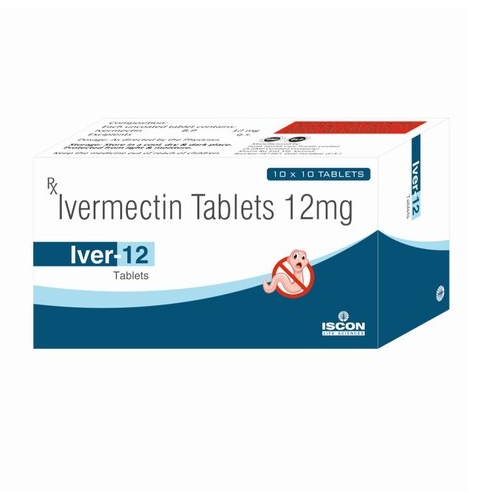
| Trade Name | Ivermectin |
|---|---|
| Main Substance | Ivermectin |
| Therapeutic Purpose | Antiparasitic treatment (internal and external parasites) |
| Strengths Available | 3 mg, 6 mg, 12 mg tablets; topical cream and lotion |
| How Quickly It Acts | Effects typically noticed within a few days |
| How Long Effects Last | Usually effective for one to two weeks per dose (varies by condition) |
| Dosage Schedule | Single or repeated dose depending on infection type |
| Dietary Considerations | Take on empty stomach with water; food may affect absorption |
| Prescription Status (UK) | Prescription-only medicine (POM) |
Ivermectin: Uses, Practical Guidance, and Access in the United Kingdom
Ivermectin is a prescription-only medication used to treat a range of parasitic infections, including some internal worm infestations and certain skin conditions caused by mites. Its use is approved and regulated in the United Kingdom, where it is dispensed by pharmacies with a valid prescription. This guide will help you understand when Ivermectin is suitable, how it works, and what steps to take if you are considering treatment.
How Common Are Parasitic Infections, and Are You Alone in Facing This Problem?
Parasitic infections, though less common in the United Kingdom compared to some global regions, still affect thousands each year. According to the UK Health Security Agency, in 2022, cases of scabies, strongyloidiasis, and other imported parasitic diseases were reported in increasing numbers due to international travel, immigration, and changing environmental factors. The World Health Organization highlights that globally, over 1 billion people are affected by soil-transmitted helminths, while scabies alone leads to significant discomfort for millions every year (WHO, 2022). If you or someone close to you is dealing with a suspected parasitic infection, you are certainly not alone—and effective treatment options are available.
How Does Ivermectin Work to Resolve Parasitic Infections?
Ivermectin combats parasites in two main ways, depending on the type of infection. At the physiological level, Ivermectin binds to specific channels (called glutamate-gated chloride channels) present in the nerve and muscle cells of many parasites. This binding causes an influx of chloride ions, resulting in paralysis and death of the parasite. Because these channels are not found in humans at the same locations or concentrations, the drug is selectively toxic to the parasites but safe when used as directed.
- For internal parasites (e.g., strongyloidiasis): Ivermectin enters the bloodstream, targets the worms, and causes their paralysis and elimination. Most people start to feel relief from symptoms (such as itching or abdominal discomfort) within a few days.
- For external parasites (e.g., scabies or head lice): When applied topically, Ivermectin kills mites and lice by the same mechanism, reducing itching and visible signs on the skin within about one week.
The practical result for you: a single dose or brief course can remove the underlying cause of your symptoms. However, the speed and completeness of symptom relief depend on the specific infection and how long it has been present.
Deciding If Ivermectin Is Right for You: Real-Life Scenarios
| Situation | Should You Use Ivermectin? | Reason |
|---|---|---|
| You have been diagnosed with scabies, and other topical treatments have failed or are unsuitable. | Yes, oral Ivermectin may be recommended. | It is highly effective for resistant or widespread cases, especially when creams cannot be used or have not worked. |
| You are an adult with proven strongyloidiasis (threadworm infection) from travel to endemic areas. | Yes, Ivermectin is first-line therapy. | It targets this parasite directly, and is considered the gold-standard treatment according to UK guidelines. |
| Your child has head lice, but is under 15 kg or younger than 5 years. | No, avoid Ivermectin. | Safety has not been established in very young children; alternative medications or topical agents should be used. |
| You are pregnant or breastfeeding. | Consult your doctor carefully before use. | Evidence for safety in pregnancy and breastfeeding is limited; risk assessment is needed. |
| You suspect a parasitic infection but have not had a diagnosis. | Do not self-medicate with Ivermectin. | Diagnosis is essential to avoid unnecessary or inappropriate treatment. |
Recognising your own situation in the scenarios above can help clarify whether Ivermectin is suitable. In all cases, treatment should follow a clear diagnosis and clinical guidance from a healthcare professional.
Using Ivermectin in Everyday Life: What to Expect and How to Handle the Unexpected
- Taking the medication: For tablets, take on an empty stomach with a full glass of water; food may reduce effectiveness. For topical forms, apply as directed to clean, dry skin or scalp.
- Missed a dose? Take it as soon as you remember unless it is almost time for your next dose. If so, skip the missed dose—do not double up.
- If it does not work: Some conditions may require repeat dosing after 7–14 days, or a different medication if there is no improvement. Return to your doctor for reassessment rather than adjusting the dose yourself.
- What is normal after treatment: Mild itching or skin irritation may persist for a few days even after the parasites are killed, especially with skin conditions. This is usually a reaction to dead parasites or skin healing.
- When should you be concerned? If your symptoms worsen, or if you develop unexpected problems (such as rash, swelling, or difficulty breathing), seek medical attention.
The most common challenge is confusion over whether symptoms are caused by the parasite or the treatment itself. Continued itching after scabies treatment, for example, does not always mean failure—it may be a normal inflammatory response. Your doctor can help distinguish between the two.
Can Ivermectin Be Used Safely? Contraindications Explained
- Children under 15 kg or under 5 years of age: Avoid Ivermectin because young children are at higher risk of side effects and safe dosing is not established.
- Pregnant or breastfeeding women: Use only if essential, as safety data are limited; the risks and benefits must be assessed by a clinician.
- Persons with liver impairment: Caution is necessary because Ivermectin is metabolised in the liver and may accumulate, increasing toxicity risk.
- Known allergy: Do not use if you have reacted to Ivermectin or related compounds in the past, as serious allergic reactions can occur.
- Severe parasitic eye infection (Loa loa): Ivermectin can trigger dangerous neurological effects in people with heavy Loa loa infestations. This is rare in the UK but must be considered in travellers from West/Central Africa.
These restrictions exist to protect you from avoidable harm. If you are uncertain about your eligibility, consult your GP or prescribing pharmacist before starting treatment.
Possible Side Effects: What to Watch For and When to Get Help
- Frequently reported: Mild headache, dizziness, muscle pain, nausea, or mild rash. These often resolve within a few days and do not require stopping treatment.
- Occasional: More pronounced skin reactions (especially in scabies, due to immune response to dying mites), abdominal pain, diarrhoea.
- Rare but serious: Swelling of lips/tongue, breathing difficulties, severe skin blistering, confusion or seizures. These may signal a severe allergic reaction or neurological side effect.
If you experience sudden swelling, difficulty breathing, or collapse after taking Ivermectin, seek immediate medical attention by calling 999 (NHS emergency services) in the United Kingdom. Prompt action in these rare cases can be life-saving.
Medication Interactions: What Else Should You Be Careful About?
Ivermectin has relatively few interactions with most other medicines, but certain situations require caution:
- Other medications affecting the nervous system: Drugs like benzodiazepines or barbiturates may increase the risk of drowsiness or rare neurological side effects when combined with Ivermectin.
- Drugs that inhibit liver enzymes (e.g., some antifungals, antibiotics such as erythromycin): These can slow Ivermectin breakdown, increasing its levels and potential toxicity.
- Vaccinations: There is no evidence that Ivermectin interferes with vaccines, but if you are due for immunisation, mention your antiparasitic treatment to your healthcare provider.
Always inform your prescriber of all medicines and supplements you are taking. This allows your healthcare professional to assess risk and adjust your treatment plan as needed.
How Does Ivermectin Compare to Other Antiparasitic Medications?
| Medication | Typical Use Cases | Strengths | Limitations |
|---|---|---|---|
| Ivermectin | Scabies, strongyloidiasis, head lice (off-label) | Single-dose efficacy, oral or topical options, well studied | Not first-line for all types of worms; prescription only; avoid in young children, pregnancy |
| Permethrin | Scabies, head lice | Topical (cream/lotion), first-line in most UK guidelines, safe for children and pregnancy | May irritate skin; resistance can develop |
| Albendazole/Mebendazole | Threadworms, roundworms, whipworms | Oral, single dose, works for many intestinal worms | Not effective for strongyloidiasis; not suitable for all parasite types |
| Benzyl benzoate | Scabies | Topical; alternative if others not suitable | Often causes skin irritation; less convenient than oral options |
Ivermectin is particularly useful when standard topical treatments fail, are impractical, or in widespread infections. It is not always the first choice, especially for mild cases where topical therapies are sufficient or for certain types of intestinal parasites. Your healthcare provider will select the most appropriate option based on your diagnosis, age, and medical history.
What Does Treatment Cost in the UK? Real Numbers, No Surprises
| Cost Item | Amount | Note |
|---|---|---|
| GP or specialist consultation | NHS: free (UK residents) Private: £60–£150 |
GP via NHS usually free; private or expedited appointments may have a fee |
| Prescription fee | £9.65 per item (NHS England standard charge) | Some exemptions apply; Scotland/Wales/Northern Ireland may differ |
| Ivermectin tablets | £15–£50 for a treatment course (approximate, private prescription) | Varies by brand, dosage, and source |
| Topical Ivermectin (cream/lotion) | £20–£40 per tube (private market price) | Usually not first-line, cost varies between pharmacies |
| Home delivery (if ordered online) | £3–£7 | Optional; available from online pharmacies with a prescription |
| Total | £9.65–£200 | Lowest: NHS route; Highest: private consult + private prescription + home delivery |
If you are using the NHS, the total out-of-pocket cost may be limited to the prescription fee, provided you are eligible for free NHS care. If seeking treatment privately or through online pharmacies, costs can be higher, especially if consultations or delivery fees apply. Always ensure that any online pharmacy you use is registered with the General Pharmaceutical Council (GPhC) and requires a valid prescription.
Unanswered Details: Remaining Questions About Ivermectin Use in the UK
- Can I obtain Ivermectin without a prescription in the UK?
Legally, Ivermectin is prescription-only in the United Kingdom. While some online platforms may claim to sell it without a prescription, these are unregulated and carry risks related to safety, authenticity, and legality. Always use licensed providers and obtain a proper prescription after medical assessment. - How do I know if my symptoms are improving?
In most cases, improvement is seen within a few days to a week. Reduction in itching, visible parasites, or other symptoms indicates response. If there is no improvement or if symptoms worsen, a follow-up with your healthcare provider is essential. - Does Ivermectin protect against reinfection?
No, Ivermectin treats current infection but does not provide lasting protection. Preventing reinfection depends on hygiene, treating close contacts, and following public health advice. - Can I drink alcohol during treatment?
There are no direct interactions, but if you have liver disease or are feeling unwell, it is safest to limit alcohol until you have finished treatment and are fully recovered.
For any concerns not addressed here, your pharmacist or doctor can provide tailored guidance based on your specific circumstances. The Medicines and Healthcare products Regulatory Agency (MHRA) oversees the safety and quality of Ivermectin and all prescription medicines in the UK.